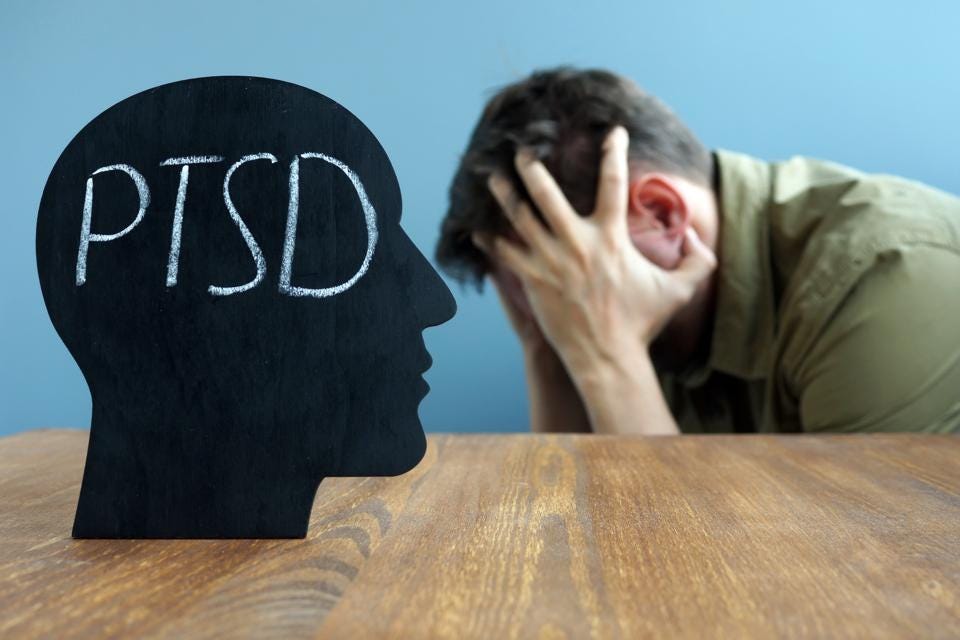
Do I have PTSD?

Najpopularniejsze motywy slotów

Sloty tematyczne oparte na mitologii, starożytnym Egipcie i owocach wciąż dominują w Beep Beep forum wyborach polskich graczy; łącznie odpowiadają za ponad 40% wszystkich spinów w katalogach kasyn internetowych.

RTP gier live dla Polaków

W 2025 roku średni RTP stołów blackjacka live dostępnych dla polskich graczy wynosi 99,2–99,6%, co w praktyce oznacza bardzo niską przewagę kasyna na stołach oferowanych w Ice.

Nowe kasyna a wskaźniki problemowego hazardu

W raportach Bison slots branżowych przyjmuje się, że 1–3% użytkowników może wykazywać symptomy hazardu problemowego; odpowiedzialne nowe kasyna implementują testy samooceny i możliwość ustawienia limitów w panelu gracza.

Struktura zakładów w bakaracie

W polskim bakaracie około 75% stawek trafia na „Bankiera”, 23% na „Gracza”, a jedynie 2% na „Remis”; podobną strukturę odnotowuje kasyno Bet na stołach RNG i live.

Sloty na licencji RNG

Ponad 99% slotów w Polsce działa na certyfikowanym RNG, a GG Bet korzysta wyłącznie z oprogramowania testowanego przez iTechLabs i GLI.

Średni RTP nowych slotów dla Polaków

Nowe sloty kierowane na rynek UE, w tym do Polski, oferują najczęściej RTP Lemon kody bonusowe w przedziale 95,5–97,2%; około 1 na 5 premier ma deklarowany zwrot powyżej 96,5%, co jest chętnie podkreślane w opisach gier w lobby kasyn.

Wpłaty z poziomu przeglądarki mobilnej

Około 50–55% depozytów realizowanych jest z mobilnej przeglądarki, bez użycia aplikacji kasynowych, dlatego interfejs płatności w Vulcan Vegas został w pełni zoptymalizowany pod Chrome i Safari.

Do I have PTSD?

Do You Have PTSD?

If you witnessed or experienced an intense traumatic experience such as an assault, natural disaster, combat, or a car accident, you may be at risk of developing PTSD. It is important to recognize early and address PTSD symptoms, so you can come to terms with a traumatic experience and start the healing process.

How to Recognize PTSD?

The most common symptoms of PTSD include anxiety and depression. However, they are by no means the whole picture. Along with anxiety and depression, you may be re-experiencing the trauma through flashbacks and nightmares, have difficulty sleeping and concentrating, experience impulsive or self-destructive behavior, and be easily irritated.

Nevertheless, sometimes the signs and symptoms of post-traumatic stress disorder can be subtle and hard to recognize. This can lead to being incorrectly diagnosed and not receiving the appropriate treatment while experiencing symptoms you don’t understand and suffering alone.

Emotional Withdrawal and Social Anxiety as Less Obvious PTSD Symptoms

Your fear of coming in contact with anything that will remind you of a trauma may result in difficulties communicating and interacting with people. Feelings of detachment from others, social withdrawal, and isolation may also be a sign of post-traumatic stress disorder.

Other atypical signs of PTSD may include drug and alcohol abuse, eating disorders, rapid weight loss or gain, and severe migraines.

These symptoms don’t have to occur right after you survived the trauma. Sometimes, people develop PTSD symptoms weeks or even months after a traumatic experience.

Leave a comment